introduction
Pressure vessels are essential equipment in the petroleum, gas, petrochemical, and other industries. Given the potential hazards posed by defects in these vessels, it is important to follow safety principles and conduct regular inspections. This article provides a comprehensive list of safety requirements for pressure vessels, which serves as a practical guide for technical personnel and safety teams.
Part 1. General safety requirements for pressure receptacles
1. Technical Documents and Records
-
Certificate of production in accordance with standards (ASME, API, ISO, etc.)
-
Maintenance and OperationРуководство
-
Approved engineering drawings
-
Previous Inspection Records
-
Hydrostatic Pressure Test Certificates
-
Documents relating to construction raw materials
2. Specifications
-
Compatibility of operating pressure and temperature with the original design
-
Check the permissible pressure and temperature range.
-
The presence of a plate with technical characteristics on the tank.
-
Adaptation of rated power to operational needs
 Part Two: Visual and Physical Inspection
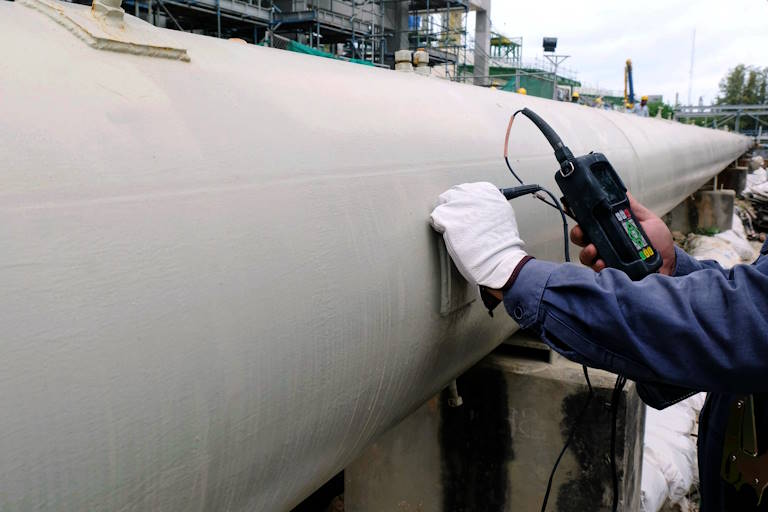
3. External examination of the body
-
There is no visible corrosion.
-
Check for color changes or local distortion.
-
No cracks or tears on the surface.
-
Condition of anti-corrosion paint
-
Thermal insulation condition (if applicable)
4. Accessories and lips
-
Check the tightness of the connections.
-
Condition of flange bolts and nuts
-
Sealing conditions for joints
-
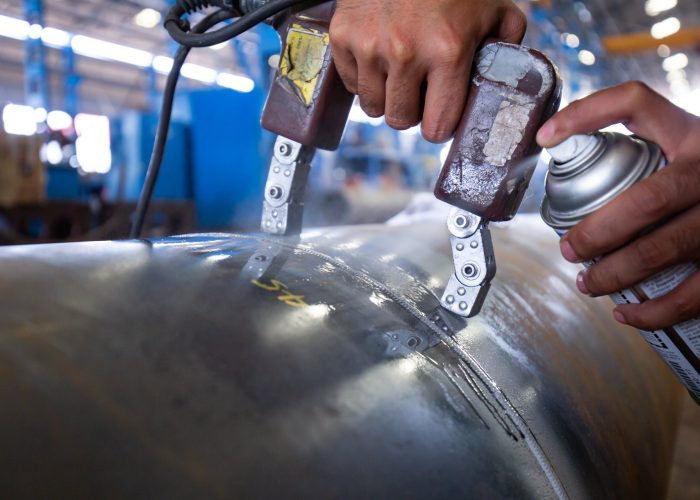
Condition of welded joints
 Section Three: Safety and Control Equipment
5. Safety valves
-
At least one independent safety valve
-
Periodic calibration of safety valves
-
No leakage in the safety valves
-
Correct Relief Path for Safety Valves
6. Measuring equipment
-
Accurate and calibrated pressure gauges
-
Level marks (if necessary)
-
Reliable thermometers
-
Pressure and temperature alarm systems
Section Four: Maintenance and Repair
7. Preventive Maintenance Program
-
scheduled periodic inspections
-
Records of repairs performed
-
Availability of the necessary spare parts
-
Training of maintenance and repair personnel
8. Periodic tests
-
Carry out hydrostatic tests according to the schedule.
-
Non-Destructive Testing (NDT)
-
Internal checks at regular intervals
-
Safety Valve Performance Test
Section 5: Environmental and Operational Requirements
9. Installation Conditions and Working Environment
-
Safe distance from other equipment
-
Sufficient ventilation at the installation site
-
Easy access for inspection and repair.
-
adequate fire extinguishing systems
10. Operating procedures
-
Safe operating instructions
-
Operator Training
-
Safe start-up and shutdown procedures
-
Emergency Response Plan
Additional Security Tips and Tricks
-
Frequency of inspections :
-
Visual Inspection: Monthly
-
Detailed Inspections: Annually
-
Full inspections (including non-destructive testing): every 3-5 years
-
-
Main risk factors :
-
corrosion
-
Get rid of fatigue
-
plastic deformation
-
sedimentation
-
-
Special recommendations :
-
Use of online monitoring systems for critical tanks
-
Accurate recording of all operating parameters
-
Particular attention should be paid to critical points such as welding zones and thickness changes.
-
conclusion
Compliance with the safety principles of pressure vessel handling is not only a legal requirement, but also ensures the health of employees and continuous production. This comprehensive list allows potential hazards to be systematically identified and controlled. Please note that this list is general and must be completed according to the specific conditions of each vessel and manufacturer’s instructions.
One last tip : Before performing any work on pressure tanks and using lock/tag systems, always check that the pressure is completely depressurized and the tank is blown out.