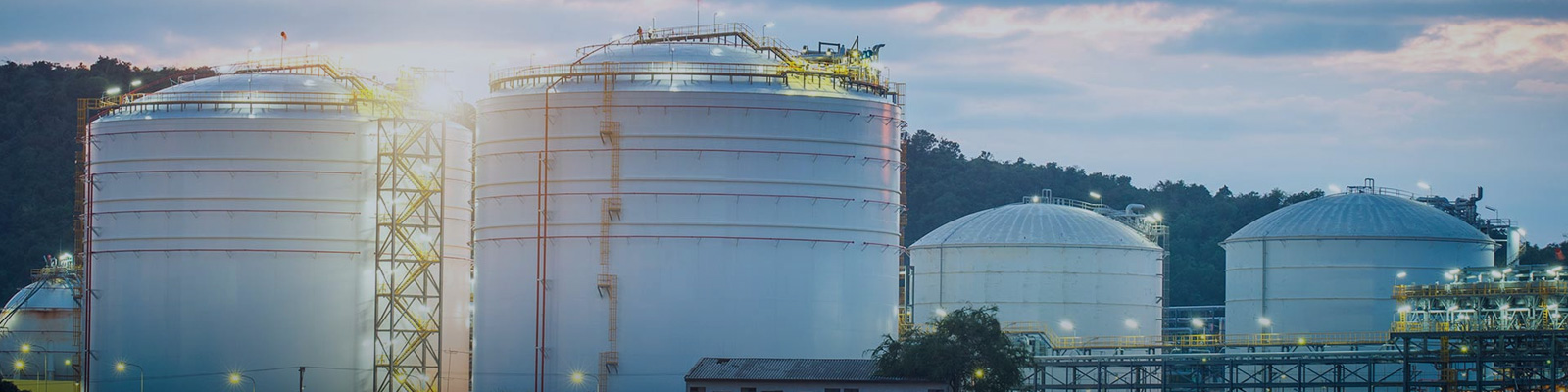
In the oil and gas, petrochemical, chemical, and even food industries, tanks play a central role in the storage of liquids and gases . Choosing the appropriate tank standards directly impacts the safety, durability, performance, and cost of the project. One of the most important standards in this field is API 620 , developed by the American Petroleum Institute (API). It primarily governs the design and construction of welded tanks for storing liquids at low pressure.
What is an application programming interface (API)?
The American Petroleum Institute (API) is a US-based professional organization that establishes standards, regulations, and recommendations for equipment, processes, and services in the oil, gas, and petrochemical industries. API standards are recognized worldwide and applied in international projects.
What is the API 620 standard?
API 620 , the abbreviation for
“Design and Construction of Large Welded Low-Pressure Storage Vessels”,
is used for the design and construction of large welded storage vessels with relatively low internal pressure (up to 15 psig or about 1 bar relative pressure) , typically used for storing cold, hot, or liquefied gases.
This standard contains the following recommendations:
-
Material selection
-
Structural design of storage tanks (tank body, tank lid, tank bottom)
-
Welding and joining processes
-
Mandatory tests and examinations
That’s all.
 API 620 Standard Scope
This standard applies to storage tanks with the following characteristics:
-
Low operating pressure: down to 15 psi (1 bar overpressure)
-
Large diameter: Generally used for tanks with a diameter of more than 10 meters .
-
Fully welded: All tank components must be welded (screws or bolts are not permitted).
-
Wide operating temperature range: It is made of special materials (such as nickel or stainless steel) and can be operated at temperatures down to -325°F (-198°C).
-
Storage conditions: Suitable for liquids such as crude oil, petroleum products, chemicals, liquefied natural gas and liquefied petroleum gas.
What is the difference between API 620 and API 650?
One of the most frequently asked questions in the industry concerns the difference between API 620 and API 650. The following table illustrates these differences:
| Special feature | API 620 | API 650 |
|---|---|---|
| Design pressure | Up to 15 psi | Up to 2.5 psi |
| Operating temperature | This also includes extremely low temperatures. | Typical ambient temperature |
| Type | Design taking into account permissible stresses | The design is simpler, but the accuracy is lower. |
| Tank type | Welded low-pressure tank | Welded compressed air tanks |
| Inquiry | Liquefied natural gas (LNG), liquefied petroleum gas (LPG) and specialty chemicals | Crude oil, water and low-risk materials |
Key components of the API 620 standard
API 620 consists of several chapters, each covering important design details:
1. Material selection
API standard 620 contains a complete list of approved materials, including carbon steel, alloy steel, and stainless steel. Material selection depends on the operating temperature, mechanical strength, and corrosion resistance.
2. Structural design
The design is based on an analysis of internal stresses, pressure, wind pressure, seismic activity, snow load, and the tank’s own weight. To calculate the wall thickness of the tank walls, lid, and bottom, the design engineers must use the formulas and tables specified in the standards.
3. Welding processes
API 620 places particular emphasis on the quality and type of welds. Welding procedures must comply with the approved procedure specifications (WPS/PQR) and be performed by qualified welders.
4. Testing and Inspection
After the tank is built, hydrostatic or pneumatic tests must be carried out. Additionally, non-destructive testing (NDT) methods such as radiography , penetrant testing (PT), and ultrasonic testing (UT) are required .
5. Quality control and documentation
The entire production process, from sheet metal cutting to final inspection , must be documented. This documentation includes drawings, material release documents, welding certificates, and test results.
 Advantages of using API 620
-
High safety: The design is specifically engineered to withstand various loads and special conditions (such as earthquakes and winds).
-
Applicability at low temperatures: suitable for liquefied natural gas and other liquefied gases.
-
Includes a wide range of materials: special alloys that can be used in aggressive environments.
-
International recognition: widely used in global oil and gas projects.
Special requirements for the design of liquefied natural gas (LNG) plants
One of the most important applications of API 620 is the construction of liquefied natural gas (LNG) storage tanks. This gas must be stored at extremely low temperatures (approximately -162 °C). Therefore, the tanks must be made of materials such as nickel-containing steel (9% Ni) to prevent embrittlement caused by the cryogenic temperatures. Furthermore, complex insulation systems, double-walled foundations, and pressure regulating devices are required.
Key points of implementation and monitoring
-
Obtain approval from recognized organizations: In many countries, the design and construction of storage tanks must be approved by standards organizations or safety authorities such as OSHA and NFPA.
-
Collaboration with an independent inspection team: It is recommended to engage an external inspection agency to review the production and testing processes.
-
Regular maintenance: After commissioning, the storage tank should be regularly inspected and checked for leaks and corrosion.
Finally
API 620 is one of the most comprehensive and stringent standards for the design and construction of large low-pressure vessels and significantly contributes to improving the safety, efficiency, and service life of these facilities. Compliance with this standard not only meets the technical project requirements but also considerably reduces operational and environmental risks.
When selecting API 620 or another standard (e.g., API 650), fluid type, operating pressure, environmental conditions, budget, and operational requirements must be carefully considered. Successful implementation of this standard requires collaboration with experienced engineers, the use of certified materials, and continuous quality control of the design.