Safety goggles are an indispensable component of equipment in various industries, enabling operators to directly monitor the condition of liquids in tanks, pipelines, and process plants. This simple yet effective tool significantly contributes to the quality, safety, and efficiency of control systems. In the oil and gas, petrochemical, pharmaceutical, food, and even energy industries, reliable safety goggles are essential to ensure the safety of production processes and prevent costly downtime.
In this article, we provide a comprehensive introduction to the topic of eyeglasses and explain in detail their types, areas of application, construction methods, standards, and care methods.
What is a level indicator?
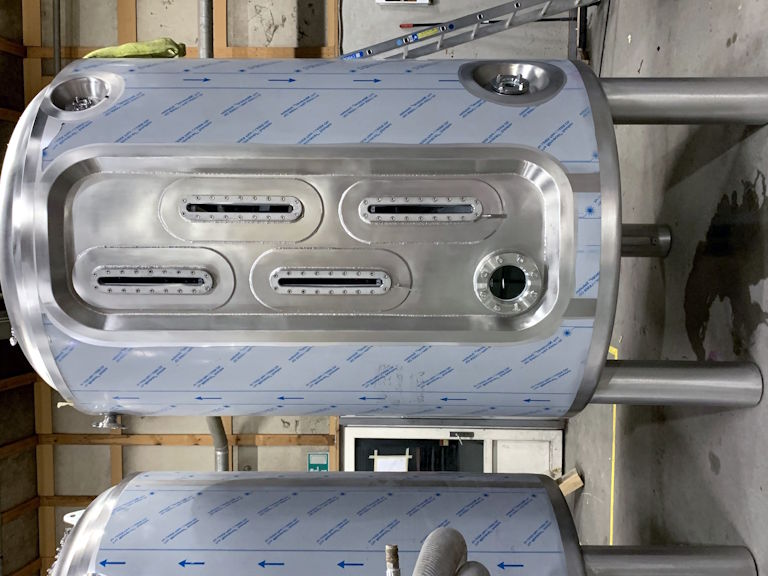
A lens is a device installed inside a pipe or container for the direct observation of liquids or ongoing processes. Typically, this device consists of heat-resistant glass and is mounted in a metal frame or flange.
The most important areas of application for the level indicator:
-
Checking the liquid flow
-
Check the liquid level in the container.
-
Observe whether the liquid changes color, becomes cloudy, or becomes contaminated.
-
Detects the presence or absence of bubbles, foam, and impurities.
-
Monitoring of sensitive production and laboratory processes
History of use and meaning
The use of level indicators began in the early 20th century with the growing need for improved industrial process control. Previously, liquid levels could only be regulated by opening valves or using mechanical devices, which posed the risk of leaks and other safety hazards. With the development of pressure- and heat-resistant glass (such as borosilicate and quartz glass ) , the design of level indicators was further developed, and they became standard equipment in various industries.
Types of glasses
Depending on their design, installation type and application, viewing devices can be divided into the following groups:
1. Tubular door opening
-
It is a transparent glass tube that is installed in a water tank or boiler.
-
It is primarily used to monitor the liquid level.
-
This is very common in the steam and boiler industry.
2. Door opening with ledge
-
It is attached between the protrusions of two pipes.
-
Enables the control of fluid flows in power lines.
-
Suitable for use under high-pressure and high-temperature conditions.
3. Observation window glass
-
It contains a glass window in the tank or reactor body.
-
It is mainly used in the chemical and pharmaceutical industries.
4. Double glazing
-
The car has two glass windows on each side.
-
Provides a better view of the liquid.
5. Cylindrical sight glass (flow indicator)
-
It is installed in the pipeline and contains an impeller or fan inside to indicate the flow rate.
-
Suitable for detecting fluid flow or stagnation.
6. Illuminated viewing windows
-
Equipped with LED lights or fiber optics.
-
Suitable for low light conditions or processes that require high illuminance.
Rearview mirror material
The material of the protective film varies depending on operating conditions. The most common materials are:
-
Borosilicate glass exhibits high resistance to temperature shocks and chemical corrosion.
-
Quartz glass → withstands temperatures up to 1100°C
-
Tempered glass → Impact and pressure resistant
-
Protective mica coating → Suitable for aggressive environments and harmful fumes
-
Alloy metals (steel, stainless steel, alloy 20) → for frames and connectors
Glasses for vision correction
Protective equipment is used in many industries:
Oil and gas industry
-
Control of the flow of crude oil and its petroleum products
-
Check for gases or bubbles in the transmission line.
-
Monitoring of the cooling system
Petrochemical and chemical industry
-
Monitoring chemical reactions in a reactor
-
Detection of impurities or discoloration of the liquid
-
Monitoring the fill level of chemical liquids in tanks
Food and pharmaceutical industries
-
Monitor the quality and transparency of the liquid.
-
Hygiene control in the production processes of beverages, milk and pharmaceutical products
-
Avoid cross-contamination
Power plants and steam industry
-
Boiler water level control
-
Monitoring the operation of the cooling system
-
Safety of turbines and transformers
Other industries
-
Mines and minerals (monitoring of corrosive liquids)
-
Aerospace and military (hydraulic systems)
-
Laboratories and research centers
Design standards and requirements
Several international standards have been established for the safe manufacture and use of condoms :
-
DIN 7080/7081 → German standard for pressure-sensitive glasses
-
EN ISO 9001 → Quality assurance in production
-
ASME Boiler and Pressure Vessel Code → Design of Vessels and Boilers
-
ANSI/API standards → Standards of the oil and gas industry
Important factors to consider when choosing glasses
When choosing reading glasses, you should consider the following factors:
-
Work pressure
-
Operating temperature
-
Liquid type (corrosive, acidic, alkaline, viscous)
-
Dimensions and properties of water pipes or tanks
-
Clarity and visual quality
-
Types of connections (end, threaded, welded)
-
Safety, impact resistance and temperature change resistance
Installation and maintenance of visual aids
To extend the lifespan of your glasses, please note the following :
-
To avoid leaks, use suitable seals.
-
It is very important to carry out regular inspections to detect cracks, scratches, or clouding of the glass.
-
Use suitable materials for regular cleaning.
-
If the glass loses transparency or sustains mechanical damage, it must be replaced.
-
In high-risk situations , protection is ensured by metal mesh or wire.
Advantages and disadvantages of glasses
To use
-
Possibility of direct process control
-
Improving system security
-
Reducing production downtime costs
-
Easy installation and exceptional reliability
Shortage
-
Pressure and temperature tolerance limits for some models
-
Risk of injury
-
Maintenance and inspection must be carried out regularly.
New technologies in the field of eyeglasses.
In recent years, new technologies have improved the effectiveness of eyeglasses:
-
Laminated glass with corrosion protection coating
-
Self-cleaning glass
-
Remote monitoring using digital cameras and fiber optic technology
-
Integration of camera lenses with pressure and temperature sensors
In conclusion
Level gauges are simple yet essential devices used in various industries for the direct monitoring and control of liquids. Selecting the right level gauge, taking into account pressure, temperature, and the type of liquid, is crucial for increased safety, reduced costs, and improved process quality.
By adhering to design principles, selecting appropriate standards and maintaining them, you can ensure that your corrective glasses function flawlessly in industrial applications for many years.