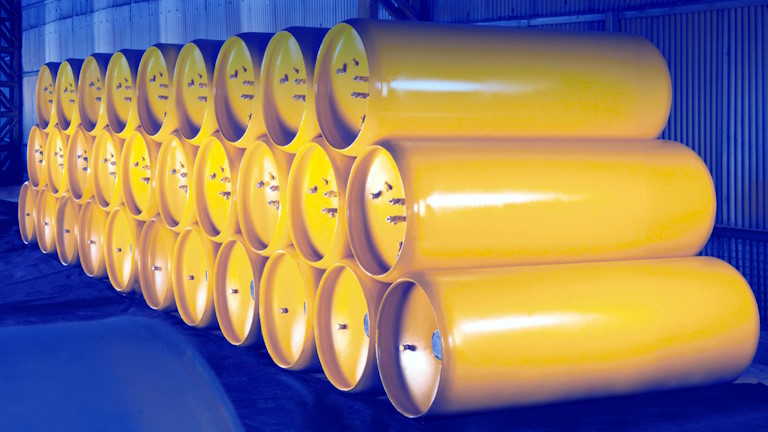
Compressed gas cylinders are indispensable in many industries, including medicine, manufacturing, petrochemicals, and diving. Any malfunction or leak in a gas cylinder can cause serious injury and property damage. Therefore, international standards for the inspection, testing, and maintenance of gas cylinders have been developed to ensure their safety, reliability, and service life. One such standard is ISO 6406 “Seamless steel gas cylinders: Periodic inspection and testing .” This standard specifies the requirements for the periodic inspection and testing of seamless steel gas cylinders used for transporting compressed gases or liquids.
Standard application area
The ISO 6406 standard includes the following:
-
Steel cylinders without welds, portable or secured with straps.
-
The capacity of the water tank is between 0.5 and 150 liters ; if practical, it can also be less than 0.5 liters.
-
Steel cylinders for storing compressed or liquefied gases.
With the ecxeption of :
-
Steel composite cylinder with steel body.
-
Cylinder for use with acetylene.
Goals and necessity of standards
The main reasons for setting standards and carrying out regular inspections/tests are as follows:
-
Public safety : To prevent serious injuries caused by explosions, cracks, leaks or sudden failure of gas cylinders.
-
Cylinder lifetime prediction : By checking the internal and external condition of the cylinder, the appropriate time for repair or disposal can be determined.
-
Compliance with national and international regulations : Many countries and agreements regarding the transport of hazardous gases require the regular inspection of gas cylinders.
-
Maintaining gas quality and preventing pollution : Sometimes gas cylinders can contain water, rust, or other contaminants that can affect gas quality and consumer health.
The regular inspection and testing procedures are defined in accordance with ISO 6406.
The specification defines the requirements and procedures for periodic inspections as follows:
| scene | He describes |
|---|---|
| 1. Identification and preparation of gas cylinders | Check the markings and seals on the gas cylinder to determine its specifications (e.g., fill level, serial number, manufacturer, etc.). Check the type of gas used. If a particular gas makes the cylinder brittle, use only cylinders specifically designed for that gas. |
| 2. Release the pressure and remove the valve. | Before carrying out internal tests, the pressure in the cylinder must be released and, if necessary, the valves disconnected. |
| 3. External visual inspection | Inspect the product for rust, corrosion, cracks, scratches, deformation, discoloration, or thermal damage. Also check the integrity of the seals and the presence of any permanent markings . |
| 4. Analyze the internal situation. | After cleaning the interior and removing all contaminants, the vehicle should be inspected under good lighting for rust, corrosion, internal cracks and other damage. |
| 5. Additional test | If there are doubts about the external or internal inspection, non-destructive testing methods such as ultrasound, weight testing and other types of testing can be used. |
| 6. Check the cylinder neck and ribs. | Carefully inspect the gears, rings, and tension hoops for damage or changes that require adjustment. Use appropriate tools for this purpose. |
| 7. Pressure test or ultrasonic test | One of the following two methods should be used: • Hydrostatic testing : The cylinder is pressurized with water or a similar medium, and the pressure is maintained for a specific period of time. • Ultrasonic testing : The wall thickness, as well as internal and external cracks, are checked without applying pressure to the cylinder. |
| 8. Check valves and fittings. | Valves, safety valves, fittings and other connections should be checked and, if necessary, replaced or repaired. |
| 9. Replacement of cylinder parts | Components such as collars, ankle cuffs or bases and other accessories must ensure safety and compliance. |
| 10. Cylinder repair | If the damage is repairable, it should be repaired using proven methods, while adhering to the minimum wall thickness. |
| 11. Final Steps | After the pressure test, dry, clean, paint or apply a protective coating to the valve, reinstall and weigh it if necessary, and then prepare it for further repairs. |
| 12. Gas cylinders are sorted out or removed from production. | If a cylinder fails the test, it must be taken out of service; it can be rendered unusable in various ways, for example by piercing, unevenly cutting or crushing. |
Review period
ISO 6406 contains recommendations for inspection cycles that should comply with the national or international regulations of the respective countries. The most common inspection cycles include:
-
Non-corrosive gases (such as nitrogen, argon, helium, etc.): once every 10 years
-
Corrosive or toxic gases: Typically once every 5 years
-
Some liquefied gases or chemicals may require preliminary testing.
Furthermore, if the gas cylinder has been used improperly, exposed to shocks, excessive pressure, high temperatures or other damage , it may need to be inspected sooner than usual.
Safety requirements and personnel qualifications
-
Tests and inspections must be carried out by personnel with appropriate technical knowledge and training.
-
The testing equipment must be properly calibrated and the instruments used to test thickness, ribs, pressure, etc., must be prepared in accordance with internationally recognized standards.
-
Safety is the top priority during pressure tests and external inspections: High pressure, cylinder breakage or sudden leakage of liquid can be dangerous.
Consequences of non-compliance with the rules
If gas cylinders are not inspected and tested in a timely manner , the following risks can arise:
-
Sudden failure : During inflation or compression, internal cracks or undetected weak points can cause the gas cylinder to explode or fail.
-
Gas leak : A leak can lead to poisoning, fires, or explosions.
-
Damage to equipment and personnel: Various valve components or defects can endanger the operator’s safety.
-
Non-compliance with regulations : Companies that do not comply with national standards or international regulations may be fined or have their business activities restricted.
-
Short cylinder lifespan : Timely inspection and maintenance can prevent rapid wear, but neglecting them leads to a short lifespan, higher costs, and premature replacement.
Current standard situation
ISO 6406 was published in 2005. However, in some countries and regions, local regulations have been updated, and new or alternative standards may have been introduced. For example, ISO 18119:2018 is used as an alternative or complementary standard in some application areas.
Discounts for businesses/users
-
Regular schedule : Defines the inspection plan based on the type of gas, the conditions of use, and national regulations.
-
Staff training : Ensure that the personnel responsible for inspection, testing and maintenance have sufficient technical and practical knowledge.
-
Full report : test results, inspections, repairs, cylinder faults and next test date.
-
Use certified testing equipment : precise instruments, calibration, and reliable testing methods.
-
Environmental and operational control : Gas cylinders must be protected from high temperatures, shocks, corrosion and adverse conditions.
In conclusion
ISO 6406 is a key standard for the safety and performance of gas cylinders. Strict adherence to procedures for regular inspections, pressure and ultrasonic testing, monitoring of internal and external condition, replacement or repair of components, and comprehensive documentation not only ensures employee safety but also minimizes the costs associated with unexpected cylinder failures or replacements. Compliance with this or a comparable standard is a professional and ethical obligation for every company in the compressed gas industry.